












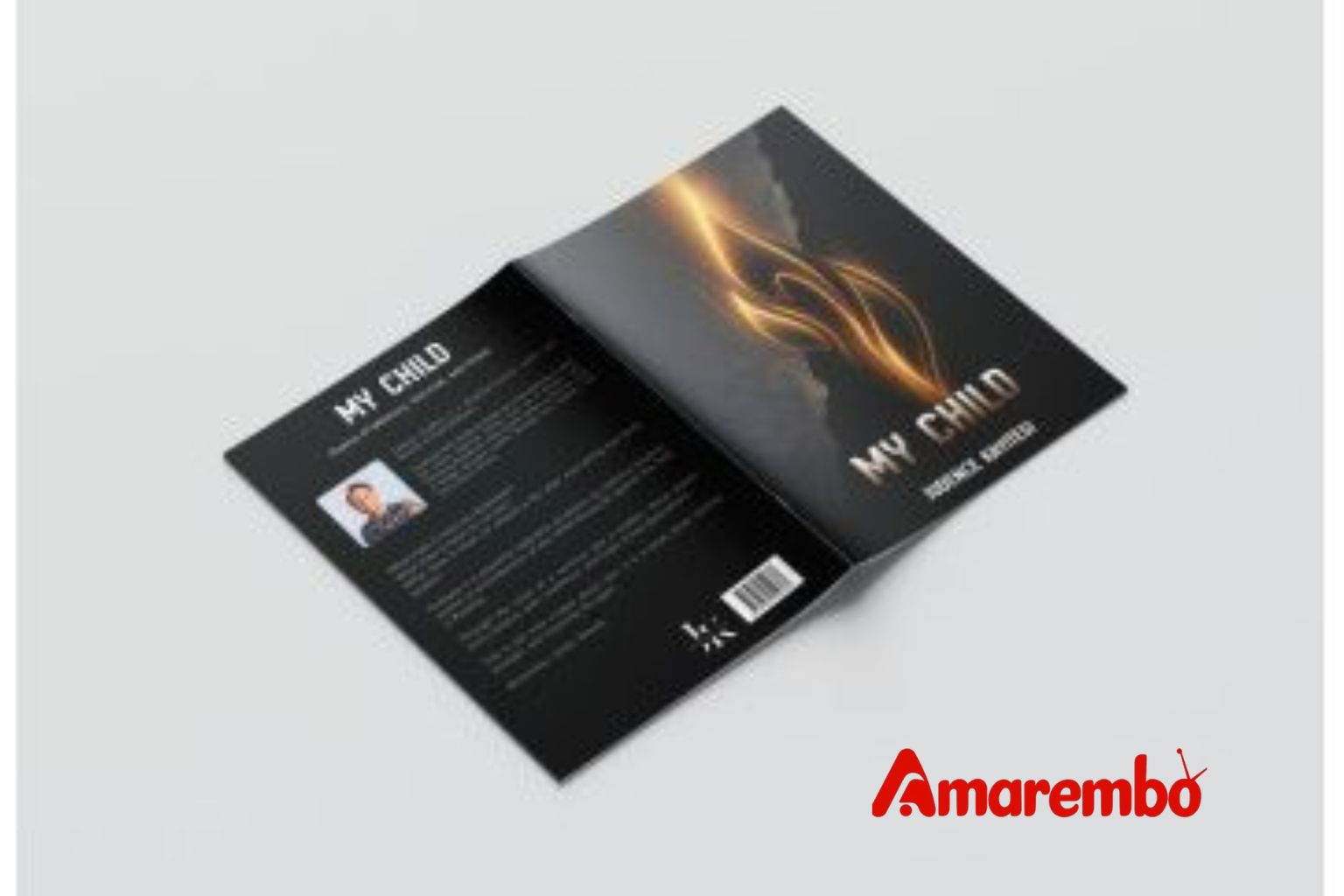
A new poetry book written by Rwandan author Judence Kayitesi has been released to help young people learn about the history of the 1994 Genocide against the Tutsi and the importance of healing from its lasting effects.
The book, titled My Child, was published in May 2026 and is available both in Rwanda and online. It contains 32 poems that explore different themes related to history, memory, resilience, and recovery.
According to the author, the book was written mainly for young readers who may have questions about Rwanda’s past but do not always know where to find answers.
Poetry Book on Genocide History and Healing Targets Young Readers
Kayitesi explained that one of the main goals of the book is to help young people understand their background and learn more about Rwanda’s history.
She noted that some young Rwandans living abroad and even some growing up in Rwanda may not fully understand the country’s history because discussions at home are sometimes limited.
For this reason, the book aims to encourage conversations between parents and children while helping readers learn more about the events that shaped the nation.
Four Main Themes Guide the Book
The collection is divided into four sections.
The first section focuses on identity, family roots, and understanding personal history.
The second section discusses the importance of preserving the memory of the Genocide against the Tutsi and ensuring that historical facts are remembered by future generations.
Meanwhile, the third section explores survival, resilience, and the courage required to speak about difficult experiences.
The final section focuses on healing, emotional recovery, and building a positive future despite painful memories.
Author Highlights the Importance of Healing
Kayitesi says healing is an important message throughout the book.
She believes that many Rwandans continue to carry emotional wounds connected to the genocide, either directly or through family experiences.
The poems encourage readers to acknowledge painful experiences while also focusing on hope, resilience, and personal growth.
Furthermore, the author emphasizes that healing is not only important for survivors but also for younger generations who may be affected by stories and experiences passed down within families.
Why Poetry Was Chosen
Instead of writing a traditional history book, Kayitesi chose poetry as a way to make the content easier to read and understand.
She explained that poems are often shorter and can communicate meaningful messages in a simple format.
As a result, readers can choose individual poems based on their interests while still gaining important knowledge about history and healing.
The author believes this format may encourage more people, especially young readers, to engage with the subject.
Experienced Author Continues Her Work
Kayitesi is a survivor of the Genocide against the Tutsi and currently works as a primary school teacher in Germany.
She has previously written several books, including A Broken Life, Choosing Resilience, and Unity Quest.
Some of her earlier work has received recognition and has been used in educational settings to support learning about history, unity, and resilience.
With My Child, she hopes to continue encouraging young people to learn from history while building a future based on understanding and hope.
More Information
For more information about genocide memory preservation and unity programs in Rwanda, visit the official website of the Ministry of National Unity and Civic Engagement (MINUBUMWE): https://www.minubumwe.gov.rw