













Rising Breast and Cervical Cancer in Rwanda: A Serious Public Health Concern
Fighting Breast and Cervical Cancer in Rwanda Through Early Screening
Rising Breast and Cervical Cancer in Rwanda has become a serious health concern over the past 10 years. According to the Ministry of Health (MINISANTE), the number of people diagnosed with these two types of cancer has increased by more than 10 times. The government is calling on all citizens to get tested early, because early detection can save lives.
In February 2025, Rwanda launched a national plan to eliminate cervical cancer completely by 2027. This goal is three years ahead of the World Health Organization (WHO)’s global target. The country is showing strong leadership in cancer control in Africa.
Cervical Cancer Is the Second Deadliest Cancer in Rwanda
Data from MINISANTE shows that cervical cancer is the second most common and deadly cancer in the country, after breast cancer. Every year, about 866 new cervical cancer cases are reported, and 609 women die from it.
This cancer mostly affects women between the ages of 30 and 45, who are often mothers and active in economic development. The numbers show that this disease is a threat not just to health, but to families and society.
10 Times More Cases in 10 Years
Ten years ago, Rwanda was reporting fewer than 500 cervical cancer cases per year. By 2023, that number had grown to more than 5,000 cases per year. Breast cancer numbers have also reached a similar level.
Dr. Theoneste Maniragaba, the Head of the Cancer Unit at the Rwanda Biomedical Centre (RBC), explained that part of the reason for the rise is improved screening. People are now more aware and are going to health centers earlier. In the past, many people died without ever getting diagnosed.
“It’s not that more people are getting cancer, but more are getting tested and treated,” he said.
Many Patients Still Come Late
Even with progress, about 75% of cancer patients in Rwanda arrive at hospitals when the disease is already in stage 3 or 4. This makes it harder to treat or cure. Doctors say that if cancer is detected in stage 1 or 2, there is a much higher chance of survival.
Dr. Maniragaba emphasized the need for early screening programs. He explained that saving lives depends on finding the disease before it spreads.
Screening Campaigns Find Hidden Cases
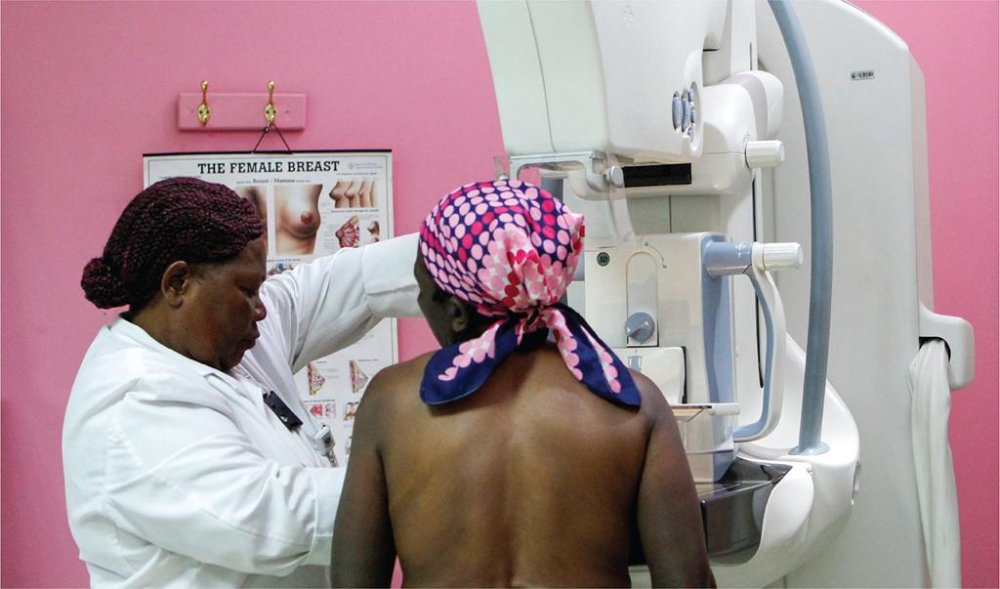
Dr. Emmanuel Manirakiza, a specialist in women’s health, shared results from screening campaigns in Kicukiro and Bugesera Districts. Over 100,000 women were screened, and hundreds were found to have signs of early cancer — many didn’t even know they were sick.
“We found between 500 and 900 women showing early symptoms that could become cancer if not treated,” said Dr. Manirakiza.
Health workers were trained to treat early signs, and biopsy tests confirmed actual cancer cases in both districts.
Non-Communicable Diseases on the Rise
Cancer is now the second leading cause of death from non-communicable diseases in Rwanda, after heart disease. The most common cancers are:
- Breast cancer
- Cervical cancer
- Prostate cancer
- Digestive system cancers (linked to food and drink)
The government is also encouraging better nutrition and less alcohol use to help reduce risks.
Globally, WHO reports that cancer causes 10 million deaths per year and 20 million new cases are diagnosed. By 2040, the number is expected to rise by 60%, reaching 30 million cases annually.
What You Can Do
Rwandans are Encourages to:
- Visit health centers for free screening
- Talk to community health workers about symptoms
- Support loved ones in seeking early treatment