














Nyabarongo II Dam Construction Hits 57% Completion | Rwanda Power Project
Focus Keyphrase: Nyabarongo II Dam construction
Slug: nyabarongo-ii-dam-construction-57-percent
Meta Description (148 characters): Nyabarongo II Dam construction reaches 57%, boosting hydroelectric power and irrigation for Kamonyi, Gakenke, and Rulindo districts.
Construction Progress and Milestones
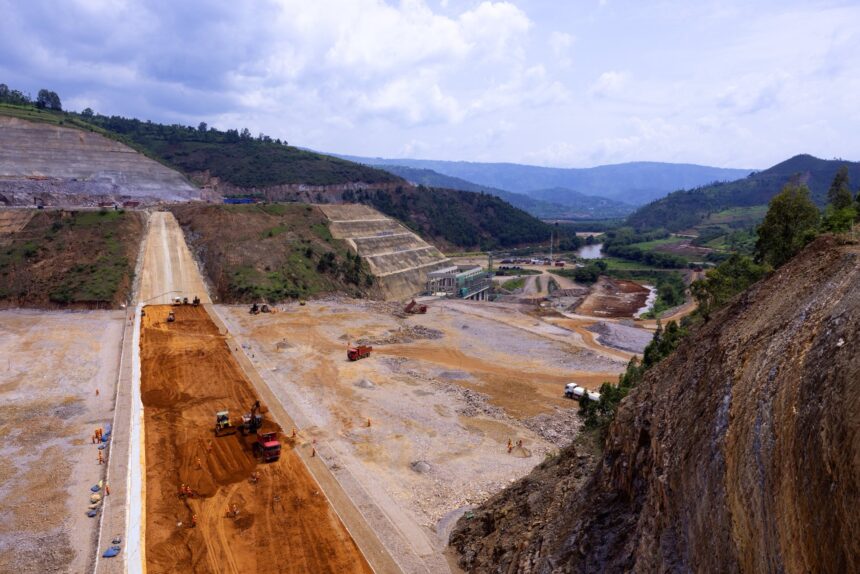
Nyabarongo II Dam is being built across Kamonyi, Gakenke, and Rulindo districts. The dam will start generating electricity by the end of 2027. The total construction cost exceeds $214 million and includes supporting projects in Ngororero, Nyabihu, and Muhanga districts.
On Friday, November 21, 2025, Rwanda’s Prime Minister, Dr. Justin Nsengiyumva, visited the construction site to inspect the progress.
Government Objectives and Benefits
Minister of Infrastructure Jimmy Gasore highlighted that the dam is a major national project. Its primary goal is to provide electricity, but it will also create a large reservoir. The reservoir will supply water for irrigation, household use, and future solar power projects floating on its surface.
Gasore explained, “As Rwanda continues to grow, the demand for electricity rises. Nyabarongo II Dam will help meet this demand and support economic development.”
Progress Updates
The project covers 6,000 hectares, and around 3,000 residents will be relocated temporarily to government-arranged housing.
-
Powerhouse Construction: 54.5% completed
-
Dam Wall: 41% completed
-
Electricity Transmission Lines: 6.4% completed
-
Water Channels & Spillways: 32.6% completed
The Rwanda Energy Group (REG) confirmed that the project has spent $93 million, reaching 43.7% of the planned $214 million budget.
Reservoir and Irrigation Plans
The reservoir will stretch from Kamonyi to Gakenke and extend to Muhanga, Ngororero, and Nyabihu. It will be the fourth-largest reservoir in Rwanda, covering 67 square kilometers. Its water volume will reach 803 million cubic meters, and the dam’s height will measure 59 meters.
This reservoir will support irrigation projects and aerial water transport systems, improving agriculture and water availability in the region.