















Understanding Disability in Children and Adults
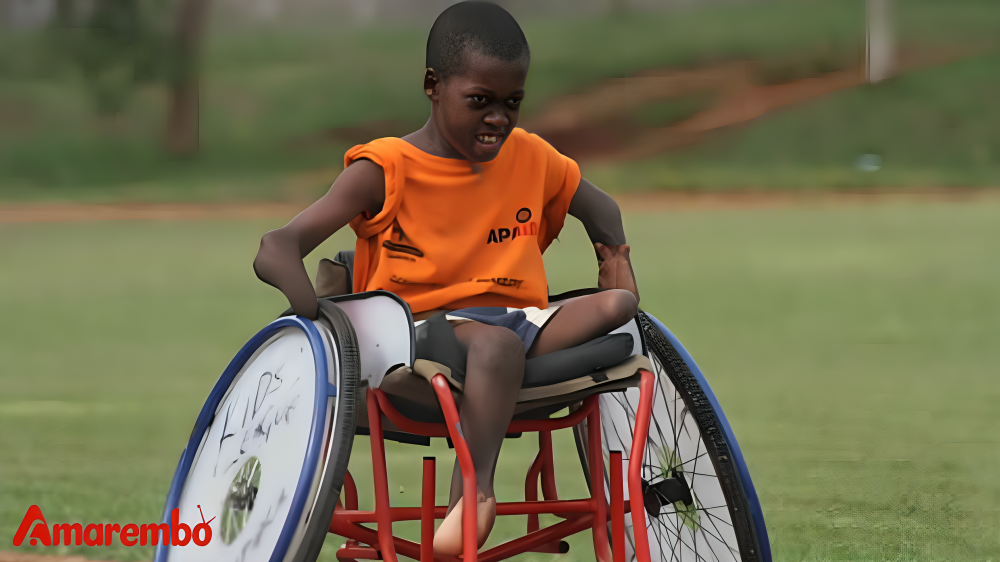
As of the last 10 Years until To Day May 2025, disability care and challenges continue to affect millions of children in this Our Continent and adults worldwide. Whether physical, intellectual, or sensory, disabilities may limit daily activities but do not diminish a person’s value or rights. Increasing awareness about disability care and related challenges is essential to building a more inclusive society where everyone can thrive.
Raising awareness about disabilities helps reduce misunderstandings and promotes a more accepting and inclusive world.
Common Challenges Faced by People with Disabilities
Social Stigma and Isolation
One of the most significant obstacles faced by people with disabilities is social stigma. Many individuals experience misunderstanding or unfair judgment, which often leads to isolation. This can hinder access to education, employment, and community participation. Such exclusion frequently undermines confidence and limits opportunities for success.
Physical and Communication Barriers
Daily environments can present serious difficulties for people with disabilities. Many public spaces lack ramps or elevators, accessible transportation options are limited, and communication aids like sign language interpreters or Braille materials are often unavailable. These barriers reduce independence and make everyday life more challenging.
Limited Access to Healthcare and Support Services
In numerous regions, healthcare tailored to the needs of disabled individuals remains insufficient. Therapies, assistive devices such as wheelchairs or hearing aids, and counseling services may be scarce or costly. Without adequate support, managing disabilities becomes more difficult, adversely affecting health outcomes.
How to Care for Children and Adults with Disabilities
Providing Emotional Support
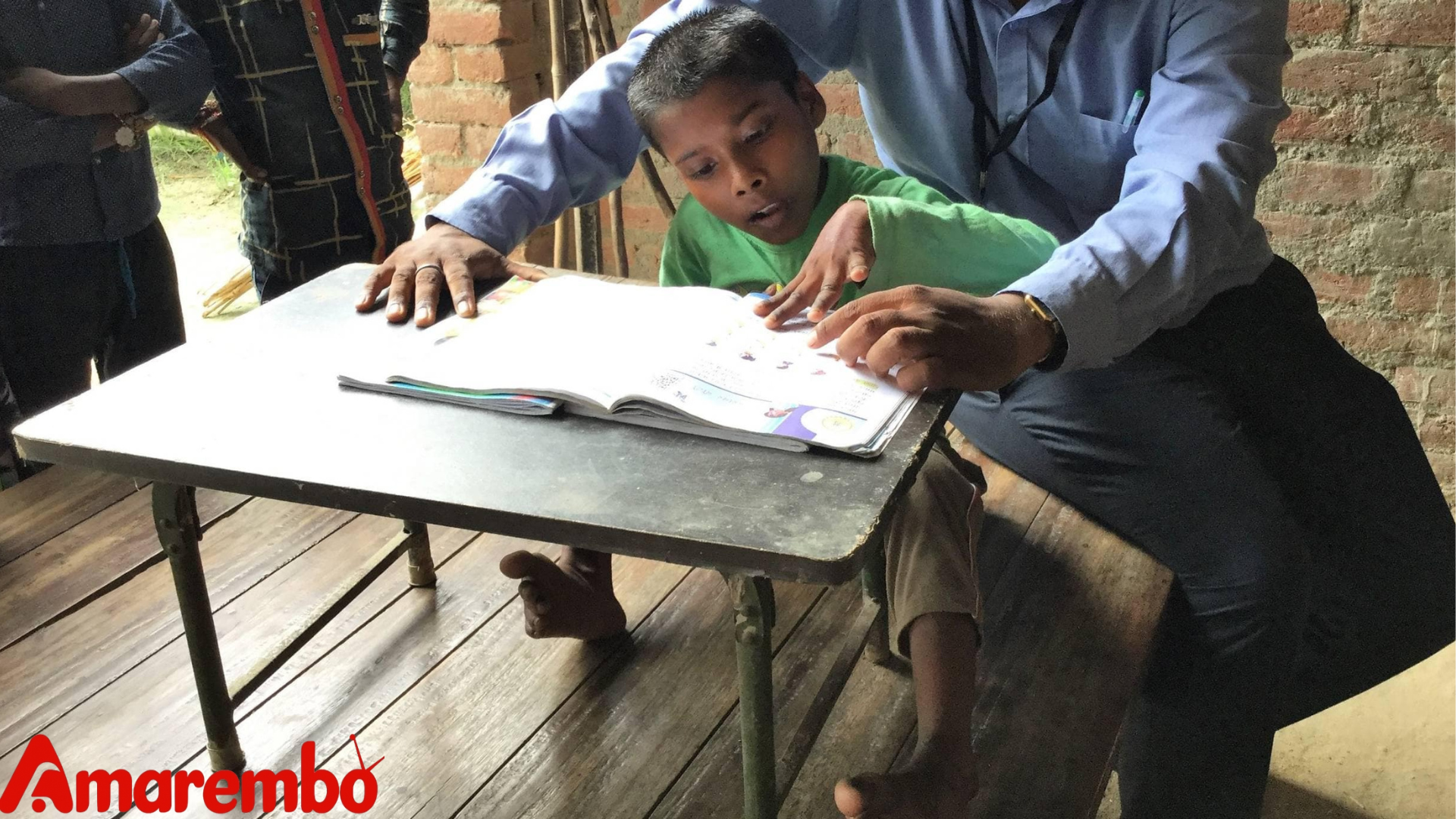
Effective care involves not only physical assistance but also emotional understanding. Listening patiently and showing empathy fosters trust and confidence. Encouraging independence while providing help when necessary creates a nurturing environment that empowers disabled individuals.
Creating an Inclusive Environment
Schools, workplaces, and homes should be welcoming and adapted to accommodate diverse needs. This includes ensuring accessible facilities, offering flexible learning options, and cultivating respectful attitudes. Inclusive environments enable people with disabilities to fully participate and feel valued.
Accessing Healthcare and Therapy
Regular medical check-ups, physical or occupational therapy, and mental health counseling are vital. Families and caregivers should collaborate closely with disability care specialists to develop personalized support plans tailored to individual needs.
Solutions to Overcome Disability Challenges
Community Awareness Programs
Education is a powerful tool to shift perceptions. Community initiatives that inform the public about disabilities help reduce stigma and encourage acceptance. Greater understanding fosters a more welcoming and supportive society.
Policy and Infrastructure Development
Governments and organizations must implement and enforce laws that safeguard the rights of disabled individuals. Investment in accessible infrastructure, healthcare services, and social programs is crucial for creating an equitable society where everyone can participate fully.
Technology and Assistive Devices
Technological advancements have produced valuable tools such as hearing aids, mobility devices, communication apps, and smart home systems. These innovations enhance independence and significantly improve quality of life.
Advice and Guidance for Families and Caregivers
-
Be Patient and Positive: Progress may be gradual; celebrate small milestones and continue to encourage growth.
-
Connect with Support Groups: Engaging with communities facing similar experiences offers emotional support and practical advice.
-
Advocate for Rights: Promote access to education, healthcare, employment, and social inclusion. Stand up to ensure fair treatment for your loved ones.
Disability Is Part of Our Diversity
It is important to remember that disability is not inability. People with disabilities possess unique strengths and can contribute greatly to society when provided with appropriate opportunities. Treating everyone with respect and dignity strengthens communities and fosters compassion.