














Ebola Outbreak in Kasai Confirmed
The Ebola outbreak in Kasai Congo has been officially confirmed by the World Health Organization (WHO), the Africa Centres for Disease Control and Prevention (Africa CDC), and Congo’s Ministry of Health.
Health officials reported that the new Ebola cases were detected in Bulape and Mweka areas of Kasai Province. Laboratory tests later confirmed that the patients were infected with the Zaire strain of the Ebola virus.
Symptoms Reported Among Patients
According to WHO, people who were infected showed severe symptoms including:
-
High fever
-
Vomiting
-
Diarrhea
-
Bleeding
Doctors in Kasai said blood tests confirmed that this was Ebola. The disease spreads quickly and has a very high death rate.
WHO and Africa CDC Take Action
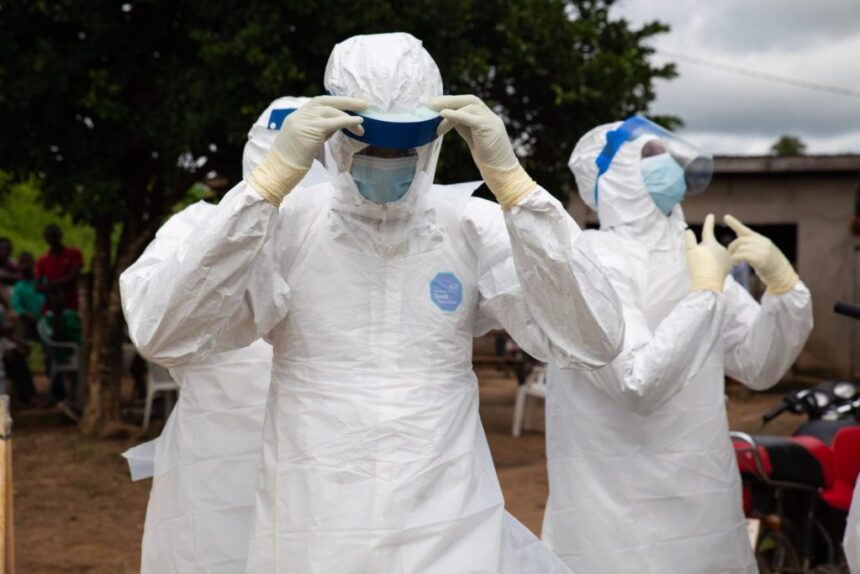
WHO immediately sent a team of experts in epidemics and infectious diseases to Kasai to help stop the spread of Ebola. The emergency team is providing treatment to patients and training local health workers to prevent further infections.
Dr. Mohamed Janabi, the WHO Regional Director for Africa, said:
“We are working with determination to stop the spread of Ebola and protect communities.”
Africa CDC also confirmed that it is supporting Congo with logistics, laboratory equipment, and technical advice to help control the outbreak.
You can read more about WHO’s response to Ebola on their official website.
History of Ebola in Congo
This is not the first time Congo has been hit by Ebola. According to health records, the country has faced 15 Ebola outbreaks in different years.
The most recent one before this was in Equateur Province in 2022, where several cases were confirmed and quickly controlled.
Ebola is a viral disease first discovered in 1976 near the Ebola River in Congo. The virus is believed to live in fruit bats, which can infect humans and animals. The disease spreads through direct contact with blood, body fluids, or contaminated materials.
How Dangerous Is Ebola?
Ebola is considered one of the most dangerous viruses in the world.
-
It kills between 50% and 90% of those who get infected.
-
There is no permanent cure, but vaccines and supportive treatment have saved lives.
-
Early treatment and isolation of patients reduce the risk of spreading.
WHO advises people in affected areas to avoid contact with sick individuals, practice safe burials, and report any suspected cases immediately.
Protecting Communities
Congo’s Ministry of Health has set up emergency response centers in Kasai. Local leaders are working with communities to spread awareness, teach hygiene practices, and ensure quick reporting of new cases.
WHO and Africa CDC continue to urge global partners to support Congo in this fight. Quick international response is critical to prevent the disease from crossing borders.
Conclusion
The Ebola outbreak in Kasai Congo is a serious public health challenge. However, with WHO, Africa CDC, and local health authorities acting fast, there is hope that the spread can be controlled.
Public cooperation—through hygiene, early reporting, and avoiding risky contact—remains the most effective way to protect families and communities.